
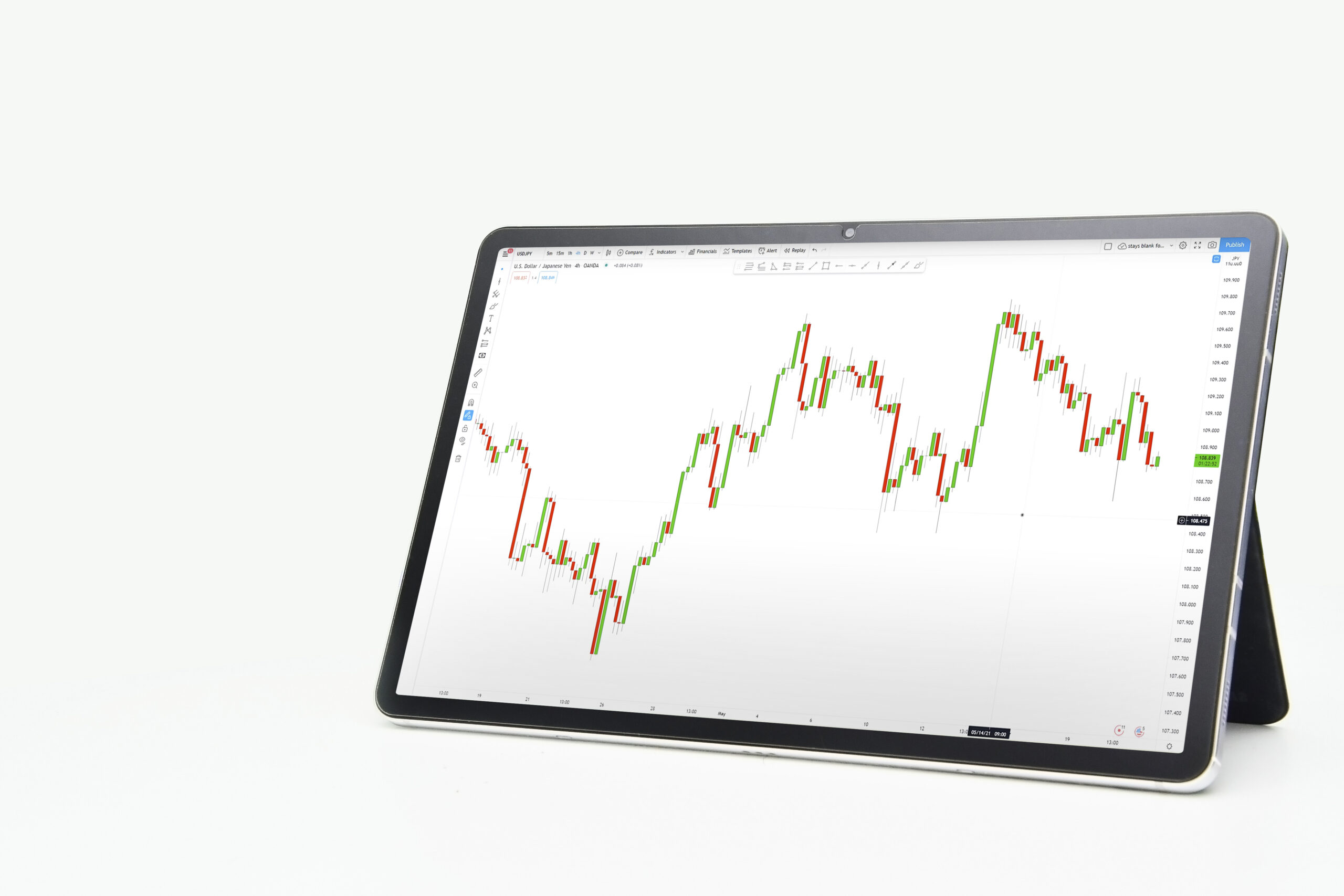
When it comes to CFD (Contract for Difference) trading, choosing the right platform is crucial for success. A high-quality trading platform provides the necessary tools, speed, and flexibility needed to execute trades efficiently. With numerous options available, traders must identify the features that enhance their trading experience while ensuring security, reliability, and ease of use.
User-Friendly Interface and Navigation
One of the most important aspects of a CFD platform is its user interface and ease of navigation. Traders, whether beginners or professionals, should be able to access charts, market data, and trading tools effortlessly. A clutter-free and intuitive interface ensures that users can focus on making informed decisions rather than struggling with complex menus or hidden functionalities.
Real-Time Market Data and Price Accuracy
Live market feeds and accurate pricing play a vital role in CFD trading. Even a slight delay in pricing can impact trade outcomes. A reliable platform must provide real-time price updates with minimal latency to ensure traders have the latest market information. Additionally, access to multiple financial instruments such as forex, commodities, stocks, and indices allows traders to diversify their portfolios.
Advanced Charting Tools and Technical Indicators
Successful trading relies heavily on technical analysis. A robust CFD trading platform should provide advanced charting tools, multiple timeframes, and customizable indicators. Traders use these features to analyze price trends, apply trading strategies, and forecast market movements effectively.
Fast and Reliable Order Execution
The ability to execute trades instantly is critical, especially in volatile markets. A good CFD platform should ensure minimal slippage and high-speed execution so that traders can enter and exit positions at the desired price. Slow execution can lead to unnecessary losses, making order processing speed a key consideration.
Strong Security Measures and Data Protection
Online trading platforms handle sensitive user data and financial transactions, making security a top priority. Look for platforms that offer SSL encryption, two-factor authentication (2FA), and segregated client funds to ensure personal information and assets remain safe from cyber threats.
Support for Algorithmic Trading and Expert Advisors (EAs)
For traders who prefer automated trading, a platform that supports algorithmic trading is essential. MetaTrader 5, for example, allows users to create and use Expert Advisors (EAs) to automate trades based on predefined strategies. This eliminates emotional trading and increases efficiency.
Reliable Customer Support and Educational Resources
New and experienced traders alike may require customer support at some point. A platform that offers responsive customer service through live chat, phone, and email ensures that traders get timely assistance. Additionally, educational resources such as tutorials, webinars, and market analysis reports can help traders refine their skills.
Risk Management Tools: Stop-Loss and Take-Profit Features
A robust CFD trading platform must include risk management features such as stop-loss and take-profit options. These tools help traders protect their capital and lock in profits by automatically closing trades when the price reaches a specified level. Advanced tools like trailing stops can further enhance risk control.
Mobile Trading Capabilities
With traders increasingly relying on mobile devices, having a fully functional mobile trading app is crucial. A good CFD platform should offer a seamless mobile experience, allowing users to place trades, analyze charts, and monitor markets on the go without losing functionality.
Competitive Spreads and Transparent Fees
Low spreads and fair pricing are crucial for maximizing profits in CFD trading. Some platforms charge commissions, while others operate on a spread-based model. Understanding the cost structure—including overnight fees and withdrawal charges—helps traders choose the most cost-effective option.
Conclusion
Selecting the right CFD trading platform can make a significant difference in a trader’s success. By considering these key features—user interface, real-time data, charting tools, execution speed, security, automation, customer support, risk management, mobile access, and pricing—traders can find a platform that aligns with their trading style and financial goals. A well-equipped and reliable platform ensures smoother operations, better risk control, and ultimately, a more profitable trading experience.