
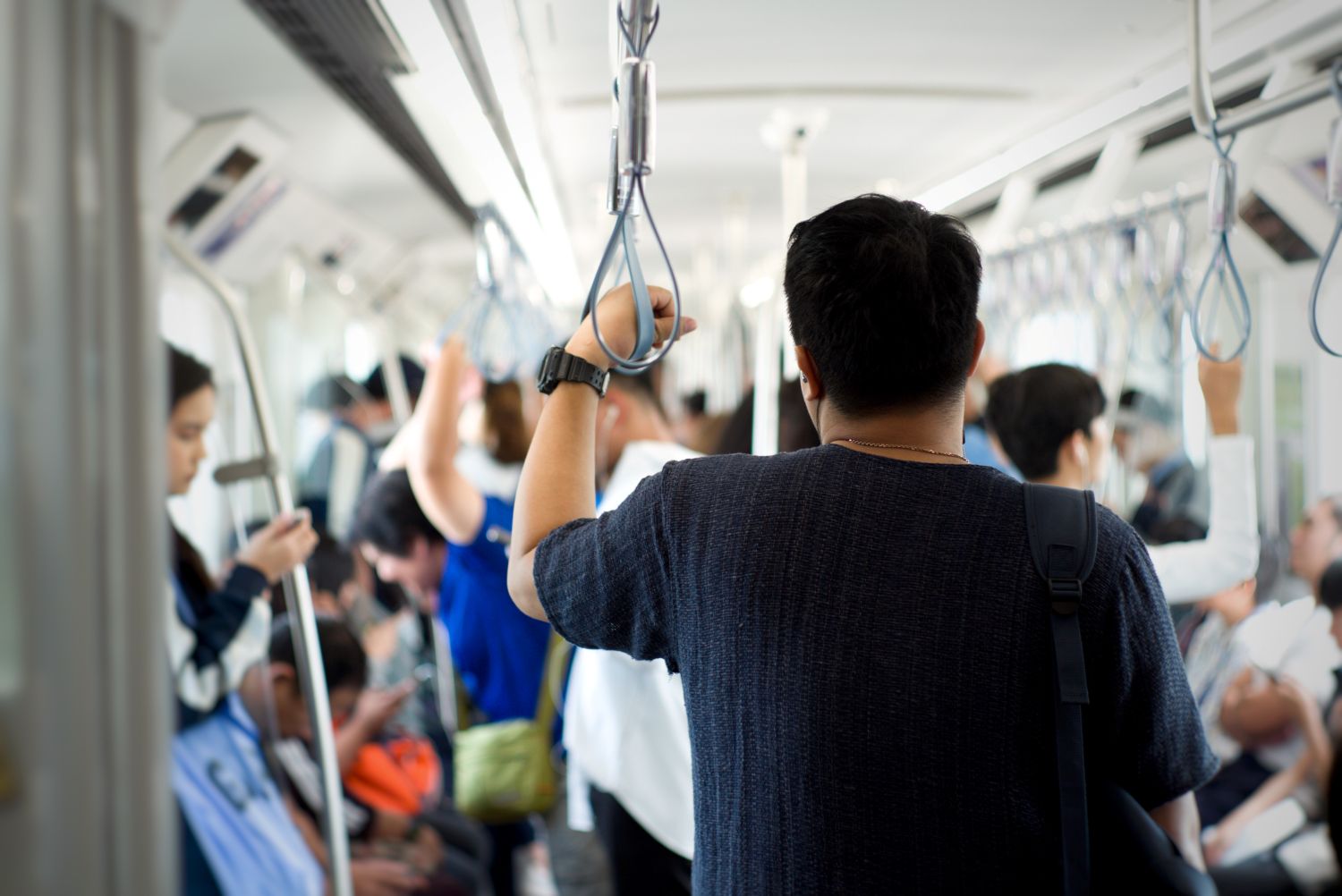
Thailand, known for its vibrant culture, stunning landscapes, and bustling cities, has seen remarkable growth in its transportation system over the years. As a country that embraces modernization while preserving its rich heritage, Thailand has made significant efforts to develop an efficient and interconnected transportation network to meet the needs of both residents and visitors.
Historical Overview of Transportation
Transportation in Thailand has evolved significantly, from traditional modes of travel to the complex networks of today. In the past, rivers were the primary means of transportation, with boats and rafts serving as the main vehicles for trade and travel. Later, with the advent of railways in the late 19th century, Thailand experienced its first major leap in transportation infrastructure, connecting various parts of the country.
Road Transportation
Today, Thailand boasts a well-developed road network with extensive highways, expressways, and local roads connecting cities, towns, and rural areas. The government has invested heavily in road infrastructure, improving connectivity and accessibility. This development has facilitated the movement of goods and people, driving economic growth and tourism within the country.
Rail Transportation
The railway system in Thailand plays a vital role in the country’s transportation landscape. Operated by the State Railway of Thailand (SRT), it connects major cities such as Bangkok, Chiang Mai, and Hat Yai. The introduction of high-speed rail lines, including the Bangkok-Chiang Mai and Bangkok-Rayong routes, has enhanced connectivity and reduced travel times. SRT’s ongoing efforts to modernize and upgrade the railway network underscore the government’s commitment to providing efficient and comfortable transportation options.
Aviation
Thailand’s aviation sector has experienced substantial growth, fueled by increasing tourism and business travel. The country is home to several international airports, including Suvarnabhumi Airport in Bangkok, which serves as a major regional hub. The expansion and modernization of airports, along with increased airline connectivity, have made air travel more accessible and convenient for both domestic and international passengers.
Public Transportation
Recognizing the need for sustainable and efficient urban transportation, Thailand has made significant strides in developing public transit systems. The Bangkok Mass Transit System (BTS) and the Metropolitan Rapid Transit (MRT) have revolutionized urban commuting in the capital, reducing traffic congestion and improving air quality. Additionally, the introduction of the Bus Rapid Transit (BRT) system and electric buses provides eco-friendly travel options. Similar public transit initiatives are being implemented in other major cities to enhance mobility and reduce reliance on private vehicles.
Water Transportation
Thailand’s extensive coastline and numerous rivers make water transportation a crucial part of the country’s transit system. Ferries and boats are commonly used for inter-island travel and along river routes, offering scenic and cost-effective travel options for tourists and locals alike. The government has also invested in upgrading ports and facilitating marine transport for cargo and trade purposes.
Conclusion
Thailand’s transportation system has undergone significant evolution over the years, reflecting the country’s commitment to progress and development. From its humble beginnings with water-based transportation to today’s interconnected road, rail, air, and water networks, Thailand has continually advanced its infrastructure. With ongoing investments and future plans, the country is poised to become a leading transportation hub in Southeast Asia.